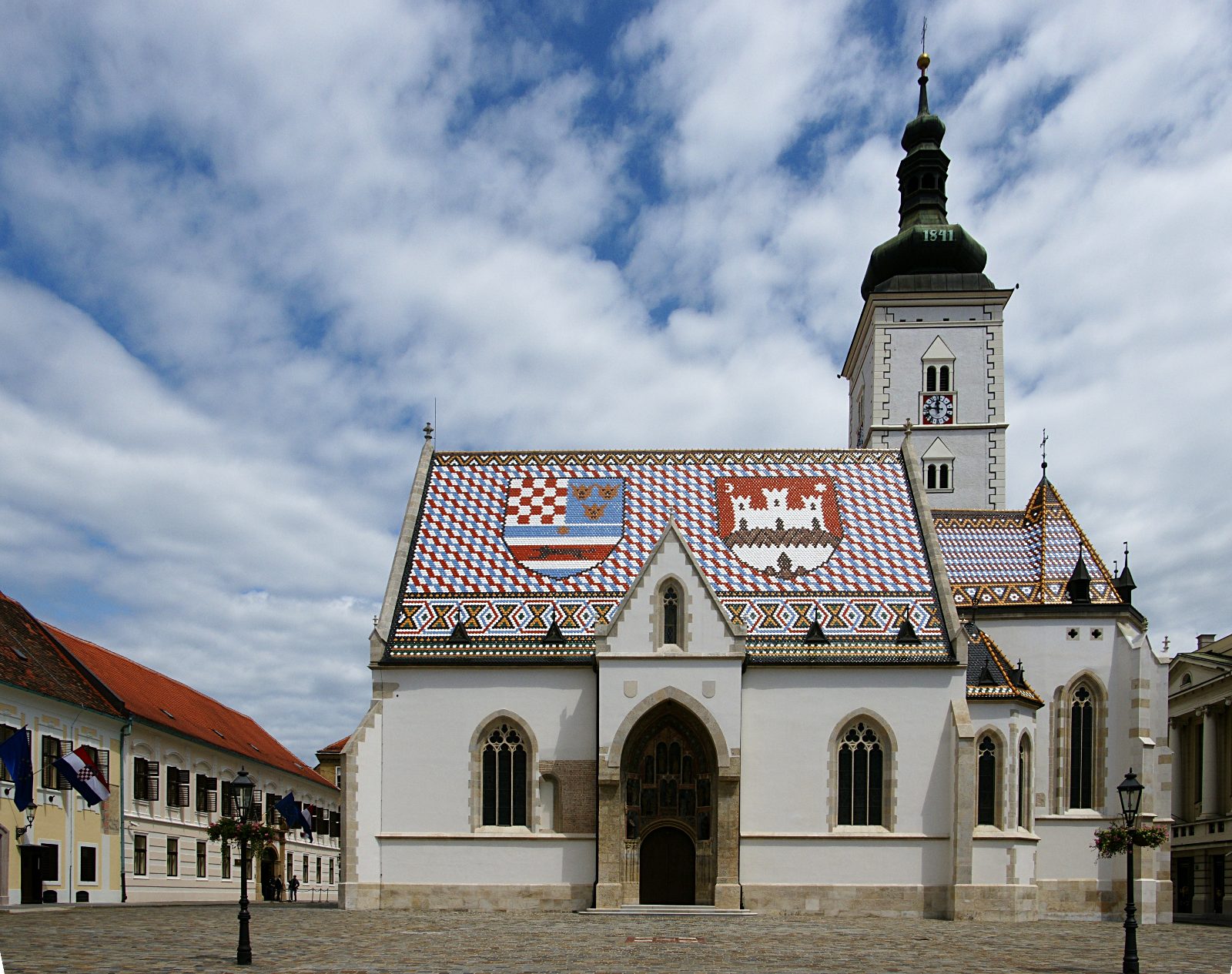
St. Mark's Church
5 min walk
This iconic church features a colorful tiled roof representing the coat of arms of Zagreb and Croatia. It is a logical next stop when exploring the historic streets of the Upper Town.
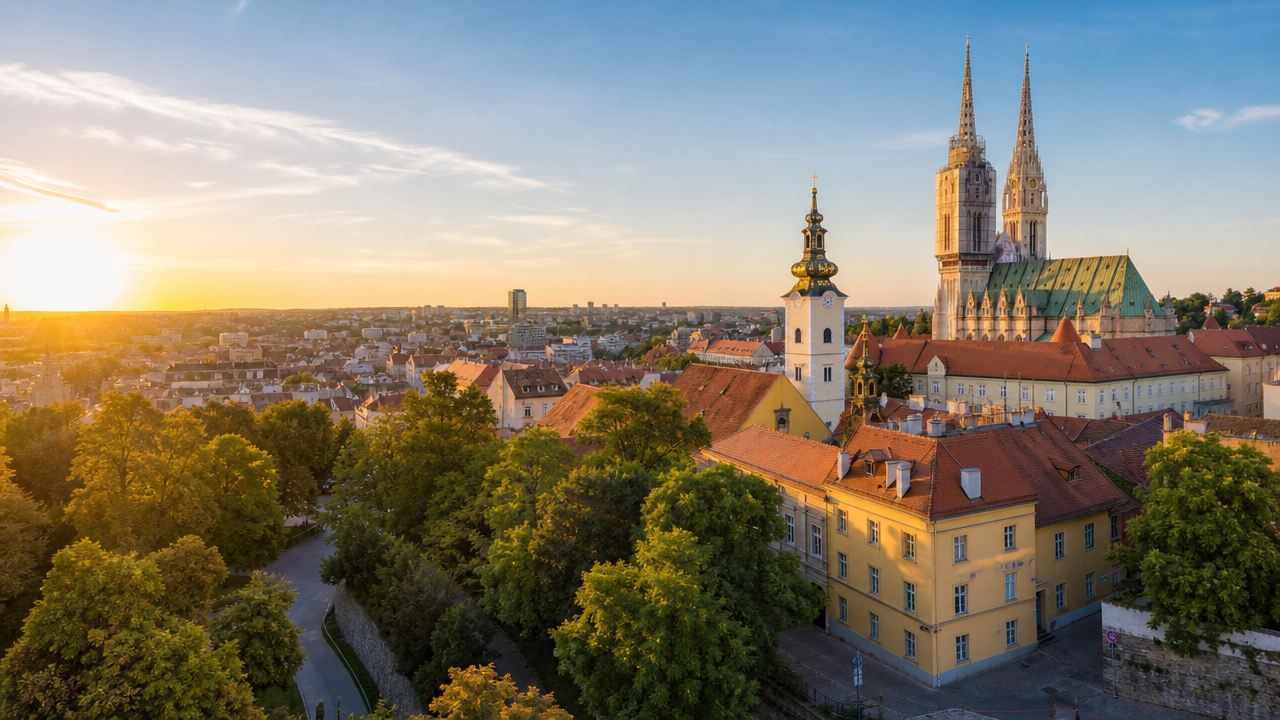
Zagreb's compact center lets you walk between medieval fortifications, a working food market, and Habsburg-era streets without losing half the day to transit. This guide maps the route that covers the city's core landmarks, squares, and viewpoints in a single day, with the practical details that make it work.
Quick answer
Zagreb things to do in a day centers on a walking loop between Upper Town and Lower Town. Start at Ban Jelačić Square, climb to the cathedral, ride the funicular to Upper Town's fortifications and viewpoints, descend through the market district, and finish at Zrinjevac Park. The entire route covers roughly 5 kilometers and takes 6 to 8 hours with stops for meals and museum visits. Most landmarks sit within 15 minutes of each other on foot.
Zagreb was built on two levels, and that vertical division still shapes how visitors move through the city. Upper Town holds the medieval core—fortifications, St. Mark's Church with its tiled roof, and the Lotrščak Tower that fires a cannon at noon. Lower Town grew later, during the Austro-Hungarian period, and contains the commercial squares, cafés, and the long stretch of parks known as the Green Horseshoe. A practical one-day route in Zagreb threads between these two districts, using the funicular as the hinge. The funicular itself is a working piece of infrastructure, not a tourist attraction dressed up as one. It runs every ten minutes between Tomićeva Street and the Upper Town, covering 66 meters of elevation in under a minute. The ride costs 0.66 euros one way, and the line moves quickly outside midday hours. Once at the top, the ramparts and towers of Gradec—the old fortified settlement—fan out along a ridge. The Stone Gate, the only surviving entrance to the medieval town, sits a few minutes east. The western edge opens onto views across the lower city and the hills beyond. Dolac Market anchors the route between the two levels. It operates every morning as a working wholesale and retail market—fruit, vegetables, cheese, cured meats, cut flowers. The red umbrellas that cover the produce stalls have become a visual shorthand for Zagreb, but the market itself is utilitarian, not picturesque. It supplies the city's restaurants and households, and the vendors price and sell accordingly. Visitors walk through rather than linger, unless they're provisioning for a picnic or looking for seasonal produce. The Lower Town's grid holds the administrative and cultural buildings—museums, the National Theatre, the cathedral—but the rhythm of the visit plays out in the parks. Zrinjevac, the first square in the Green Horseshoe, is planted with plane trees and ringed by benches and a pavilion. It serves as a midpoint rest stop and a natural conclusion to the walking loop. By early evening, the route has covered the cathedral, the funicular, the market, the Upper Town fortifications, and the park corridor—the essential Zagreb things to do in a day without doubling back or stretching the itinerary beyond what a single day on foot can reasonably hold.
“Zagreb was built on two levels, and that vertical division still shapes how visitors move through the city.”
This itinerary covers Zagreb's essential sights in a single day, moving efficiently from the historic Upper Town through the Lower Town's cultural core. The route is designed for visitors with limited time who want to experience both medieval charm and Austro-Hungarian grandeur on foot.
Begin in the heart of the Lower Town at Zagreb's central meeting point, then take the funicular up to the Upper Town—it's a quick 64-second ride and saves the uphill walk.
Walk through the cobblestone streets to see the iconic tiled roof, then circle through the compact Upper Town to visit the Stone Gate and Lotrščak Tower within a 30-minute loop.
Descend back to the Lower Town via this lively pedestrian lane lined with cafes and historic facades—it connects the two districts and offers a natural coffee stop.
Head to Zagreb Cathedral, the city's tallest structure, then walk through Dolac Market just behind it to see local produce and the flower vendors.
Admire the yellow neo-baroque building from the outside, then stroll through Zrinjevac Park and the adjacent Green Horseshoe parks for a break from the urban pace.
End with this unique collection in the Upper Town—allocate 45 minutes to an hour for the exhibits, which close by early evening.
The Zagreb Funicular connects the Lower Town to the Upper Town, serving as the primary link for visitors navigating between districts. It is located at Tomićeva ul., 10000, Zagreb, Croatia.
From Ban Jelačić Square via Ilica
Tomićeva ul. to Upper Town
Lines 6, 11, 12, 13, 14, or 17 to Trg bana Josipa Jelačića
The best arrival window is 06:30–21:50. Visiting during these hours helps avoid mid-day queues and provides clear views over the Upper Town.
If you find extra time after exploring the Upper Town, several notable landmarks remain within a short walk of the funicular. These sites allow you to further immerse yourself in Zagreb history and culture before your next food tour booking.
5 min walk
This iconic church features a colorful tiled roof representing the coat of arms of Zagreb and Croatia. It is a logical next stop when exploring the historic streets of the Upper Town.
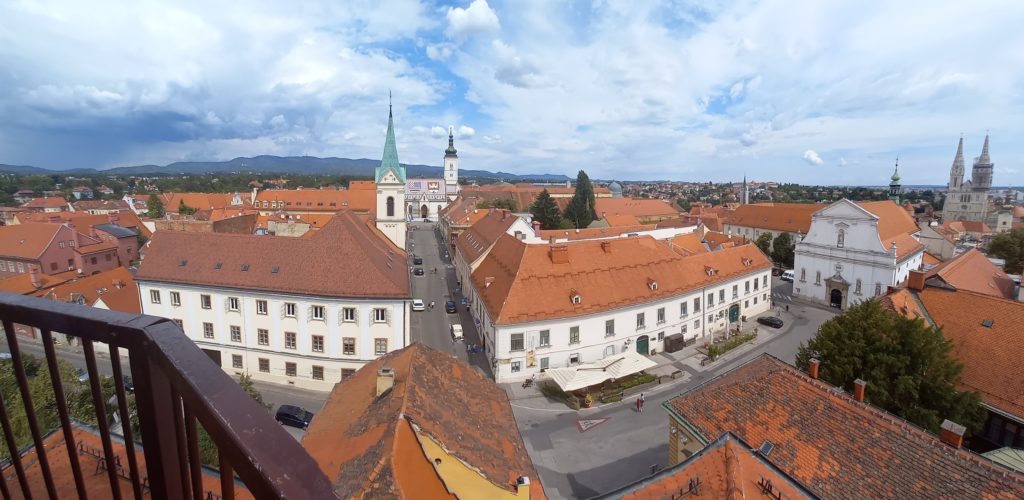
2 min walk
Located adjacent to the funicular exit, this fortified tower provides a historical perspective on the city's defense. The daily cannon fire remains a traditional event for visitors in the area.
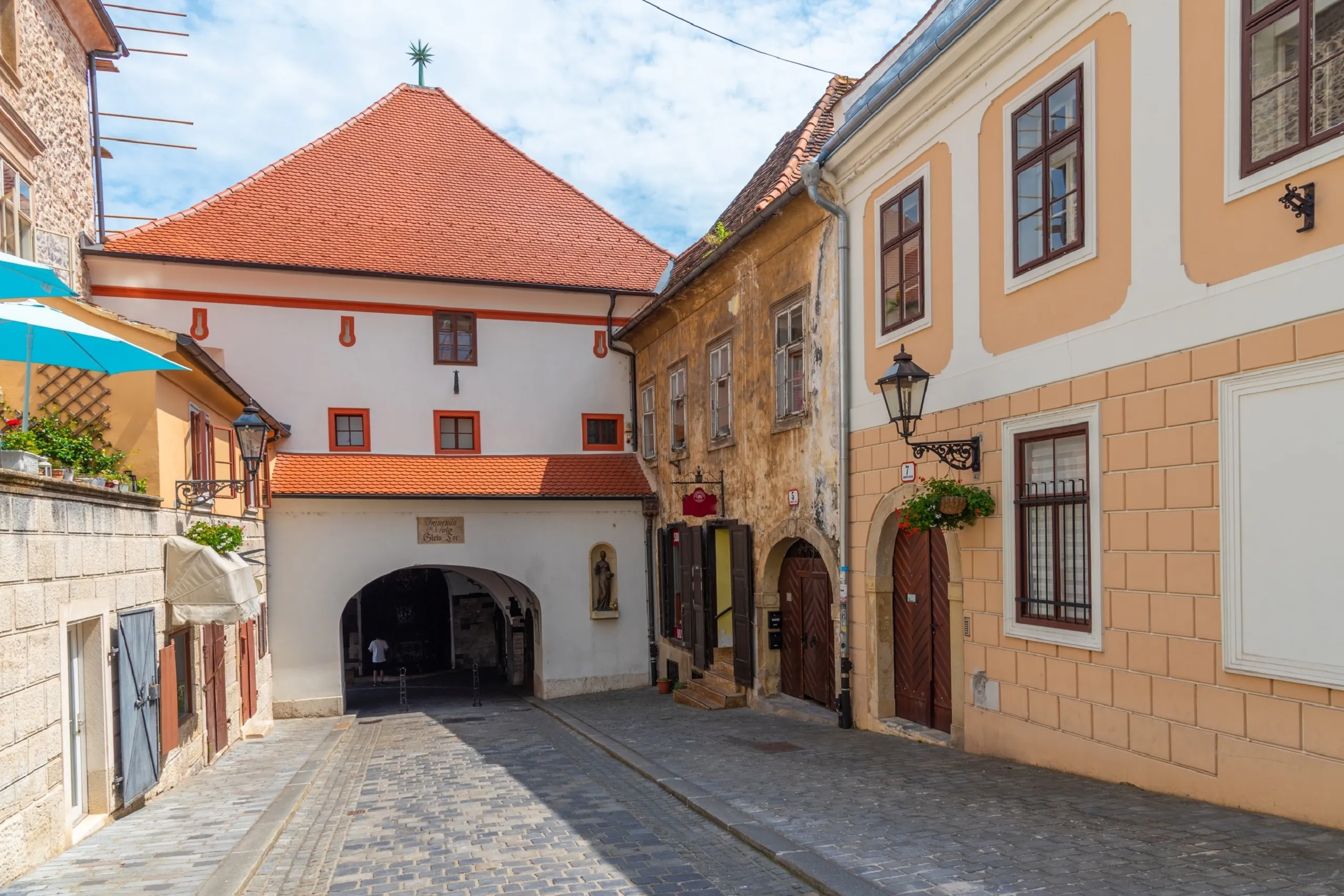
4 min walk
As the last preserved entrance to the old town, this site houses a small shrine that serves as a quiet space for reflection. It connects the Upper Town to the lower city center, facilitating your walk back.
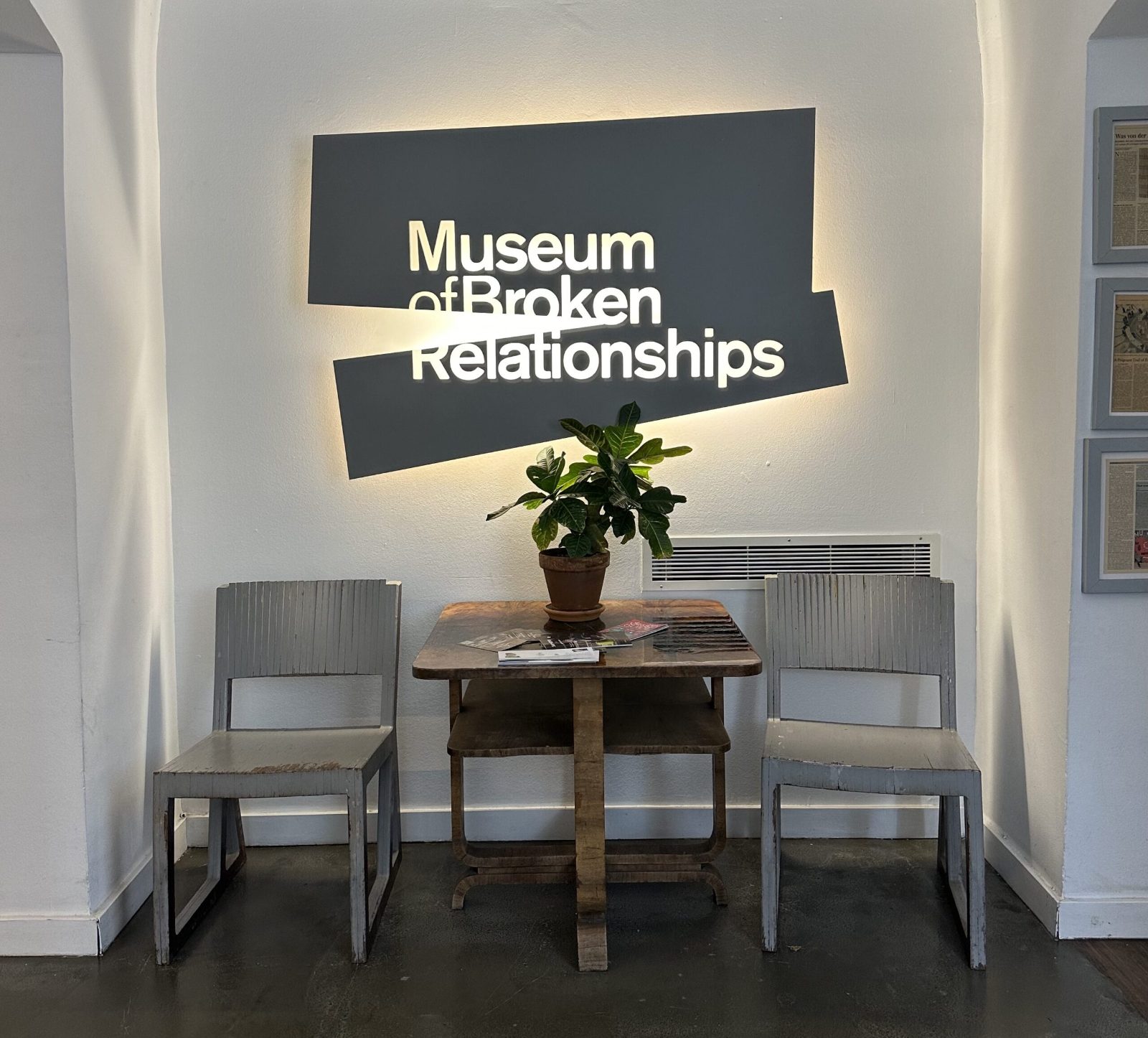
3 min walk
This unique museum offers an alternative look at human connection through personal artifacts. It complements a food tour by providing a thematic contrast to the culinary history of the region.
A full day exploring Zagreb on foot requires minimal preparation—pack light, wear comfortable shoes, and keep a few essentials on hand.
Everything you need to know about zagreb things to do in a day
To maximize your limited time, start with the historic Upper Town, visit the Zagreb Cathedral, and take the funicular to experience the city's charm. Combining these highlights creates a balanced zagreb things to do in a day itinerary that covers local culture and history. The entrance fee for the funicular is 0.66 EUR for a one-way ticket, which serves as a convenient connection between the Lower and Upper Town. This affordable fare is a staple for anyone planning their zagreb city landmarks tour effectively. For the best experience, plan your arrival between 06:30 and 21:50 to avoid mid-day queues and enjoy pleasant views. Following this window ensures you see the cityscape at its most serene moments. Yes, the city center is compact and pedestrian-friendly, making it ideal for zagreb things to do in a day without needing complex transport. Most major sites are within walking distance of Ban Jelačić Square, the central hub of the capital. The funicular operates daily from 06:30 to 22:00 throughout the week. You can rely on this schedule when planning your movement between districts during your visit. A culinary excursion is an excellent way to deepen your understanding of local traditions while checking off zagreb things to do in a day. Sampling regional specialties allows you to engage with the culture through its distinct flavors.