2 hr 30 min
Zagreb Highlights & WWII Tunnels Walking Tour
Discover Zagreb's top landmarks, historic wartime shelters, and panoramic hilltop views on this guided walk.
Reserve

Taste Croatian heritage through historic streets, explore markets and hidden culinary corridors.
Hand-picked by our editors — only the best 5 experiences from 120 reviewed.
Verified partners for every tour, free cancellation where available, and instant confirmation on every booking.
2 hr 30 min
Discover Zagreb's top landmarks, historic wartime shelters, and panoramic hilltop views on this guided walk.
Reserve
2 hr 30 min
Explore medieval streets, wartime shelters, and vibrant markets with a local guide on this intimate city walk
Reserve
3 hr 30 min
Explore Croatia's five regional cuisines through tastings at local restaurants and landmarks
ReservePrices from verified partners. Availability updates in real time at checkout. Free cancellation policies apply where shown.
The landmarks, rooms, and views travelers on this tour remember — all visible on a single visit.
This vibrant open-air market is the heart of the city's culinary scene, featuring iconic red umbrellas and fresh local produce. It has been a central trading hub since 1930.
This historic district offers a glimpse into medieval architecture and narrow stone alleys filled with local eateries. It sits high above the city center.
As one of the few remaining entrances to the old city, this location features a shrine that has been protected by locals for centuries. It is a quiet, spiritual site.
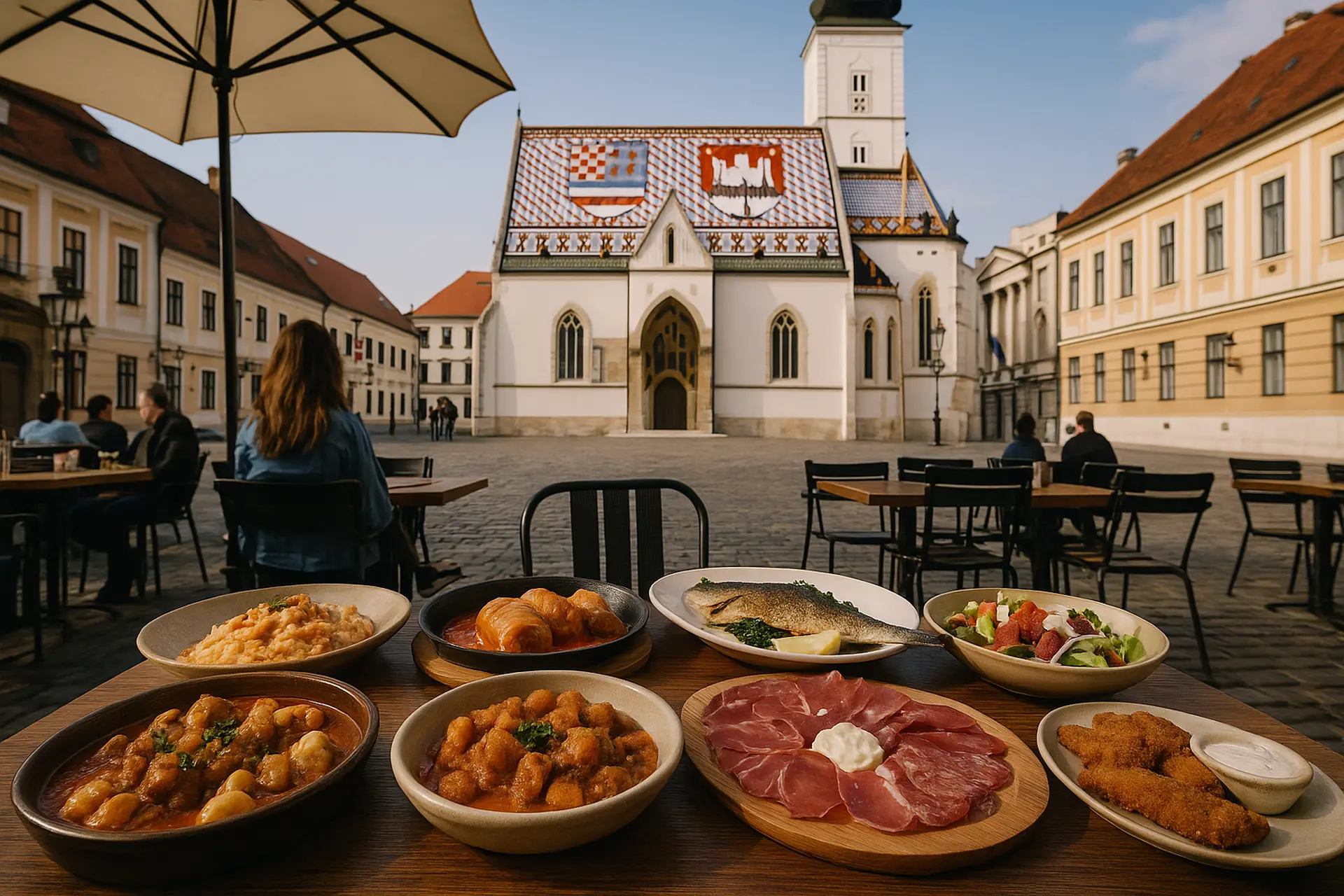
Famous for its tiled roof displaying the coats of arms of Zagreb and Croatia, it serves as an architectural landmark of the Upper Town. It dates back to the 13th century.
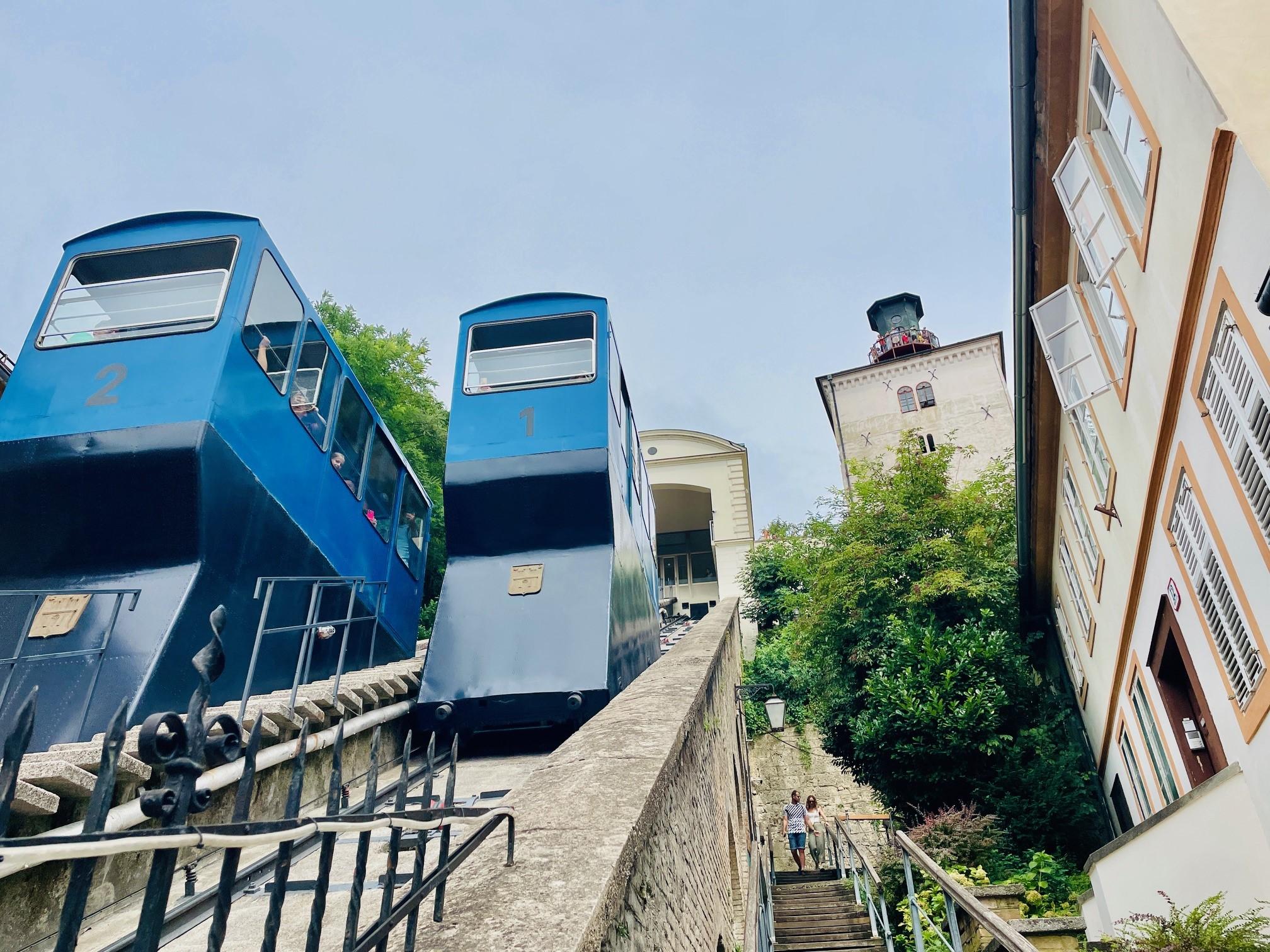
This fortified tower provides panoramic views and is the site of the daily cannon fire tradition. It has guarded the southern gate since the 13th century.
Selecting between a culinary exploration and a broad narrative walk depends on whether you prioritize regional gastronomy or the architectural heritage of the city; most visitors find the zagreb food walking tour more engaging for immediate cultural immersion.
| Feature | Top pick Zagreb Food Walking Tour | General History Tour |
|---|---|---|
Primary Focus |
Local cuisine and markets | |
Typical Duration |
2.5–3 hours | |
Main Inclusions |
Tastings of seasonal dishes | |
Ideal For |
Foodies and market enthusiasts | |
Physical Intensity |
Moderate walking pace | |
zagreb food walking tour tours |
Available daily | |
zagreb food walking tour tour |
Inclusive of local snacks | |
zagreb food walking tour tickets |
||
| See tickets → |
Verdict: Choose the culinary zagreb food walking tour tickets if you wish to taste the region, or opt for a historical walk if you prefer the deep context behind the local landmarks.
Choose your ticket, select your date, and reserve in under two minutes. Secure checkout handled by our verified partner.
Instant confirmation by email, with a mobile voucher you can save offline. No printing, no queuing at a collection desk.
Arrive at the entrance, show your voucher on your phone, and walk in. Most tickets include priority or skip-the-line access.
Best time to go, insider tips, nearby landmarks, and the cancellation fine print — flip through to skim what matters to you.
How crowds, weather, and events shift across the year.
Mild weather perfect for outdoor walking sessions.
August is warm and ideal for fresh seasonal produce at the markets.
Comfortable temperatures with vibrant foliage in local parks.
Shortened daylight hours but cozy atmosphere in local eateries.
Small details that turn a good visit into a great one.
Visit Dolac Market before noon for the freshest experience.
Note dietary restrictions when booking your zagreb food walking tour tickets.
Avoid high heels due to the challenging terrain of Upper Town.
Engage with vendors for insights on traditional Croatian recipes.
Carry water to stay hydrated during summer tours.
Non-bookable sights within a short walk — free to visit, easy to pair.
Tallest building in Croatia with neo-Gothic architecture.
Flexible, no hidden fees.
Cancellations made 24 hours prior to the tour receive a full refund.
Hand-picked options within walking distance — pick a district for vibe, or a specific hotel for convenience.
Historic building offering refined service near the railway station.
Croatia’s capital exists as a dual city, split vertically between the medieval settlements of Gradec and Kaptol, and the grid-like Austro-Hungarian blocks built during the nineteenth century. To understand this topographical divide, one must look at the culinary traditions that developed along its steep slopes and open squares. The geographical heart of this convergence is Ban Josip Jelačić Square, located at 10000, Zagreb, Croatia, marking the boundary between the Upper Town and the Lower Town. Since the early twentieth century, this broad plaza has functioned as the central transit hub and gathering point for merchants bringing produce from the surrounding Prigorje and Zagorje regions. Just above the square sits Dolac Market, an open-air trading floor known as the belly of the city. Under distinctive red umbrellas, vendors trade seasonal stone fruits, artisanal cheeses like sir i vrhnje, and cured meats. The architecture framing these market stalls reflects centuries of defensive rebuilding, with thick stone walls giving way to narrow, cobblestone alleys winding toward St. Mark’s Church. Taking a guided zagreb culinary route reveals how regional topography dictates local menus. The Upper Town, accessed via stone staircases or a brief funicular ride, holds taverns built into centuries-old cellars. These establishments focus on hearty, slow-cooked dishes such as baked štrukli—a regional pastry filled with fresh cottage cheese—and veal roasted under a traditional peka bell. Meanwhile, the Lower Town’s wide boulevards foster a café culture inherited directly from Vienna, where locals spend hours over strong coffee and layered sponge cakes. Exploring the city's gastronomic footprint also involves traversing subterranean infrastructure. Portions of the urban landscape include World War II tunnels, constructed in 1943 beneath the historic center, which now serve as pedestrian thoroughfares linking different neighborhoods. These underground passages offer a stark, concrete contrast to the baroque facades above. Engaging with zagreb food walking tour tours in these varying environments provides a concrete look at how modern Croatian identity balances historical preservation with a thriving culinary landscape.
"The topographical divide of Croatia's capital is best understood through the distinct culinary traditions that developed along its steep slopes and open trading squares."
The duration varies by product; check your booking confirmation details.
Accessibility is limited in the Upper Town due to historic cobblestones.
Bring comfortable shoes, water, and your ticket confirmation.
Bookings for a zagreb food walking tour tour are made via the official inventory grid.
Tours operate in most weather, but you should dress accordingly.
Yes, notify your guide of allergies in advance of the tour.
Cancellations 24 hours prior are eligible for a full refund.