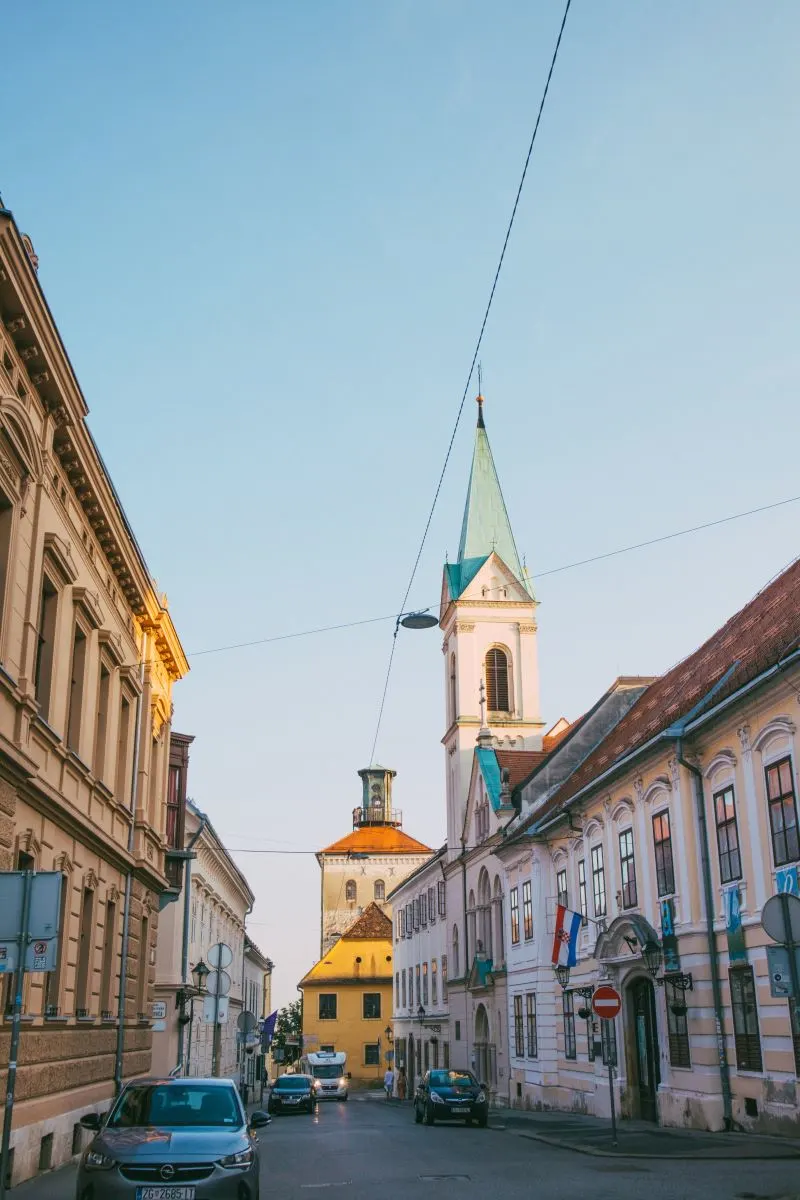
Upper Town (Gornji Grad)
The historic core of Zagreb features cobblestone streets and preserved medieval structures. It serves as the administrative and religious center of the city.
Walk through the Stone Gate to enter the old town area.
Zagreb divides opinion among travelers who weigh its merits against Croatia's coastal destinations. This guide examines what the city delivers, what it lacks, and who finds the most value in a stop here—grounded in the practicalities of layout, pace, and cost rather than subjective endorsements.
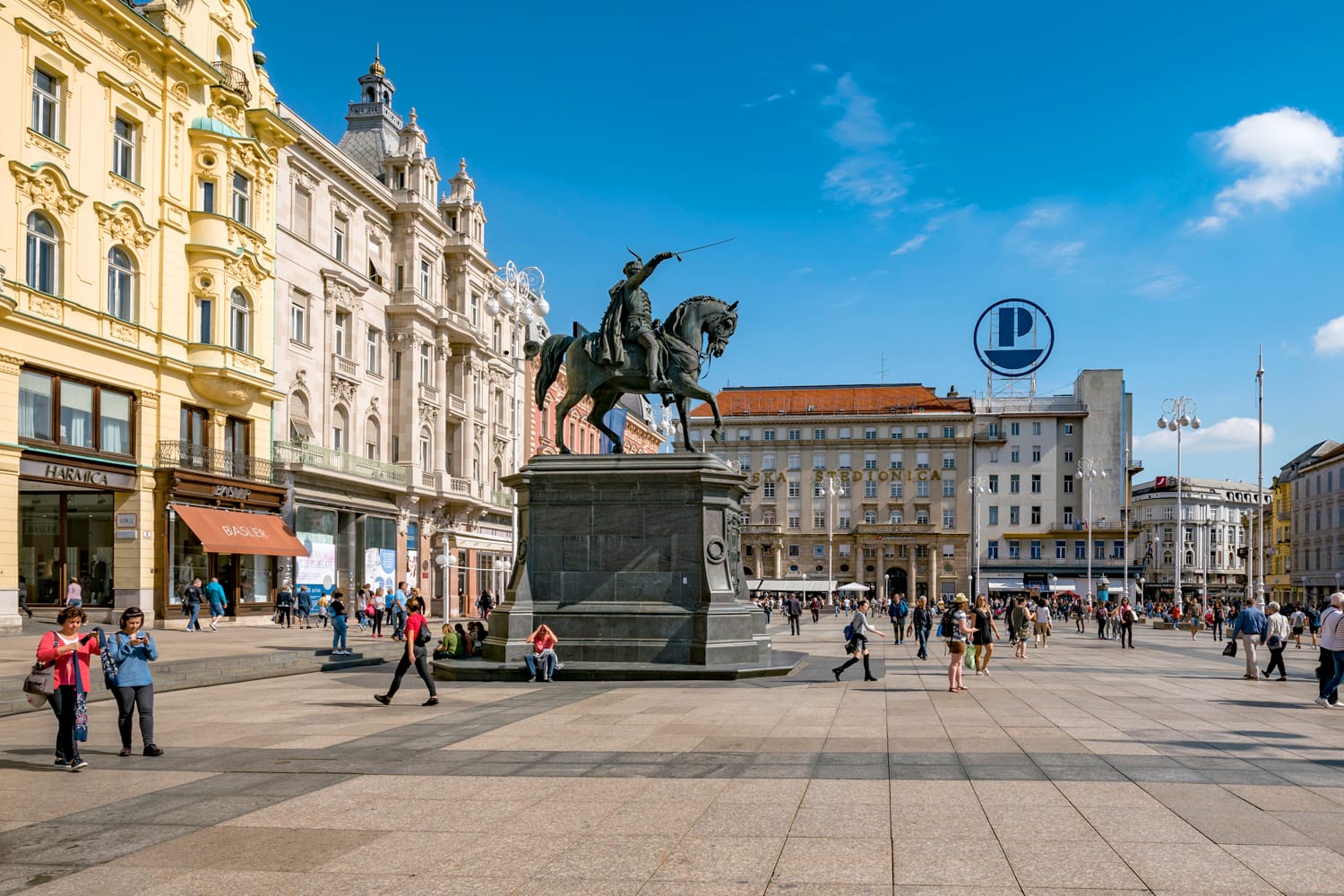
Quick answer
Whether Zagreb is worth visiting depends on your travel priorities and how much time you have in Croatia. The city offers distinctive Austro-Hungarian architecture, a thriving café culture, quality museums including the Museum of Broken Relationships (9 EUR entry), and authentic Croatian food at prices lower than the coast. It works best as a 2-3 day stop for travelers interested in urban culture and history, but those prioritizing beaches or dramatic natural scenery will find more value on the Dalmatian coast or in the national parks.
Zagreb receives fewer international visitors than Dubrovnik or Split, yet it holds the largest concentration of museums, galleries, and concert halls in Croatia. The Upper Town preserves medieval street patterns and Baroque facades, while the Lower Town grid, laid out in the 1860s, functions as the city's commercial and cultural center. This division creates a walkable core where most visitor-facing infrastructure sits within a 30-minute radius on foot. The city operates at a slower tempo than Western European capitals. Café terraces fill mid-morning and stay occupied past lunch. Trams run frequently but at moderate speeds. Attractions open at 09:00 rather than dawn, and dinner service rarely begins before 19:00. Travelers accustomed to the urgency of major hubs find this rhythm either refreshing or frustrating, depending on how tightly their itinerary is planned. The question of whether visiting Zagreb is worthwhile hinges partly on whether this pace aligns with your travel style. Cost represents one of Zagreb's clearest advantages. A three-course meal at a mid-range restaurant averages 25-30 EUR per person, roughly half the equivalent on Hvar or in Rovinj. Public transport remains inexpensive, and museum entry fees cluster between 5 and 12 EUR. Accommodation spans from hostels at 18 EUR per bed to boutique hotels near 120 EUR per night, with the bulk of inventory sitting in the 60-80 EUR range for a double room. Budget-conscious travelers extract more experiences per euro here than in Croatia's coastal tourism centers. The city's limitations are equally concrete. Zagreb has no beaches, limited evening entertainment compared to Berlin or Barcelona, and summer heat that turns the stone streets oppressive by mid-afternoon in July and August. Rain is frequent in spring and autumn. English fluency is high among younger residents and service staff but drops sharply in neighborhood bakeries and markets outside the center. Travelers seeking vibrant nightlife or dramatic natural backdrops will find Zagreb a functional stopover rather than a destination anchor. The value proposition becomes clear when you know what you're trading: coastal scenery and resort infrastructure for urban texture, museum depth, and lower costs.
“The value proposition becomes clear when you know what you're trading: coastal scenery and resort infrastructure for urban texture, museum depth, and lower costs.”
Zagreb is best visited during the shoulder months of May or October, when the city balances mild temperatures with a moderate pace of life. These periods allow visitors to experience the outdoor cafe culture before the peak heat or after the winter chill.
Pleasant, 15°C to 25°C
The city moves outdoors as cafe terraces fill up and local festivals begin.
Mild, 10°C to 20°C
Autumn colors appear in Zrinjevac Park, providing a quiet atmosphere for exploring the city center.
Cold, 0°C to 5°C
Zagreb features one of the most prominent holiday markets in Europe, turning the streets into a festive center.
—
Arriving at sites between 09:00 and 11:00 helps avoid the afternoon surge and provides a calmer experience for visiting museums.
Verdict: For the most balanced experience, visit during May or October, prioritizing weekday mornings to avoid congestion.
Zagreb features a distinct blend of Austro-Hungarian architecture and local cultural traditions. Exploring these landmarks provides a comprehensive view of the city's historical layers.
The historic core of Zagreb features cobblestone streets and preserved medieval structures. It serves as the administrative and religious center of the city.
Walk through the Stone Gate to enter the old town area.
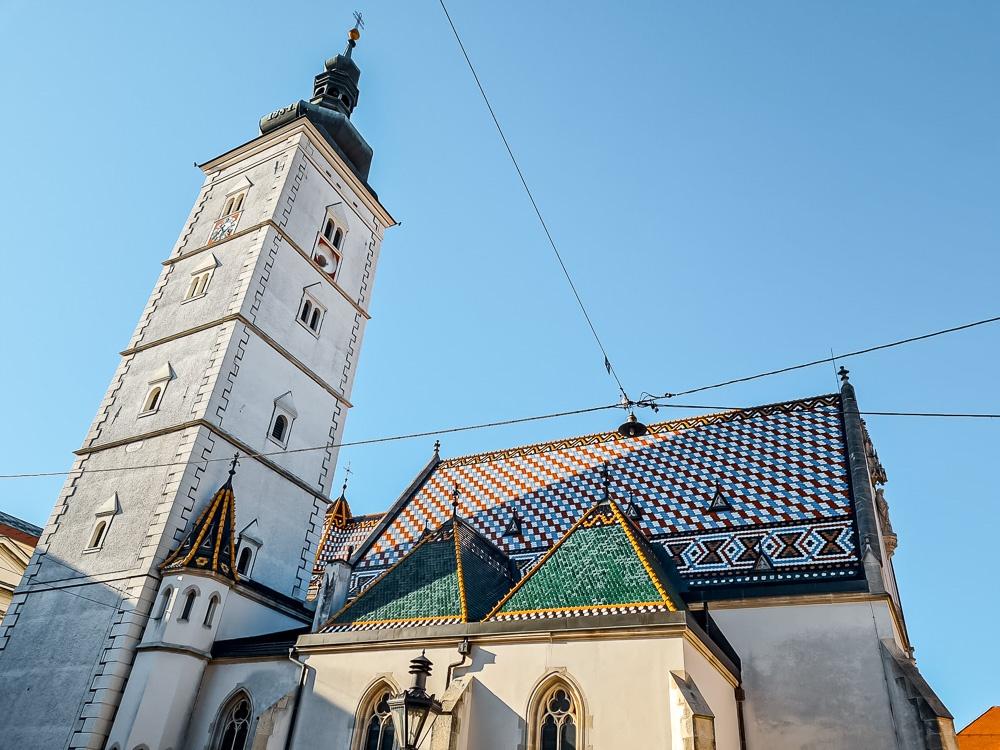
This parish church is identifiable by its colorful tiled roof depicting the coats of arms of Zagreb and the Triune Kingdom. The interior houses notable sculptures by Ivan Meštrović.
Observe the roof tiles from the square before entering.
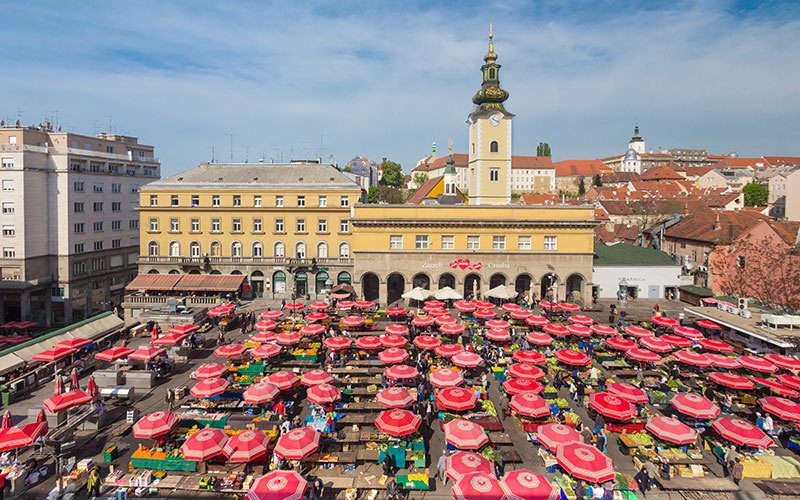
Known as the farmers' market of Zagreb, this open-air space offers a daily look at local food culture. It connects the Upper and Lower towns via a short flight of stairs.
Visit during the morning to see the most active trade.
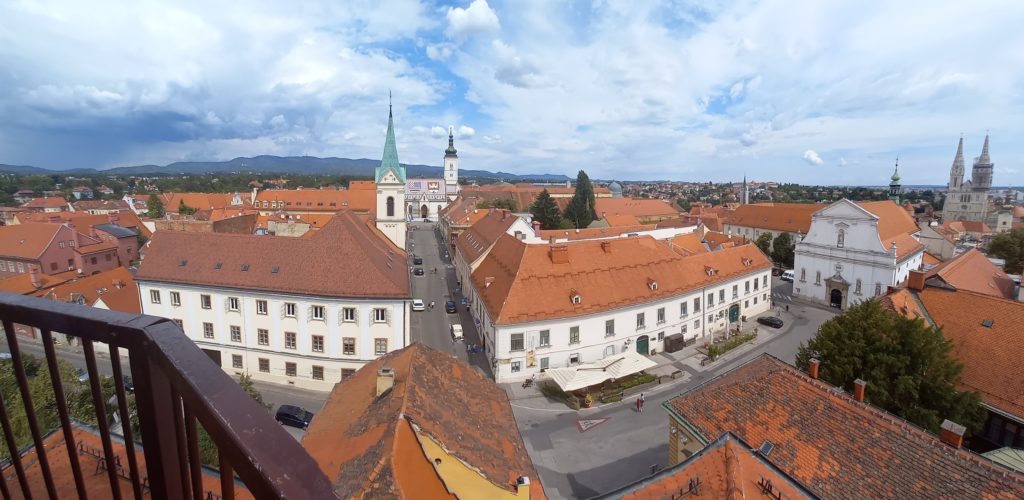
This fortified tower dates back to the 13th century and offers views over the city rooftops. A cannon is fired from the tower daily at noon.
Wait for the noon cannon blast from the courtyard.
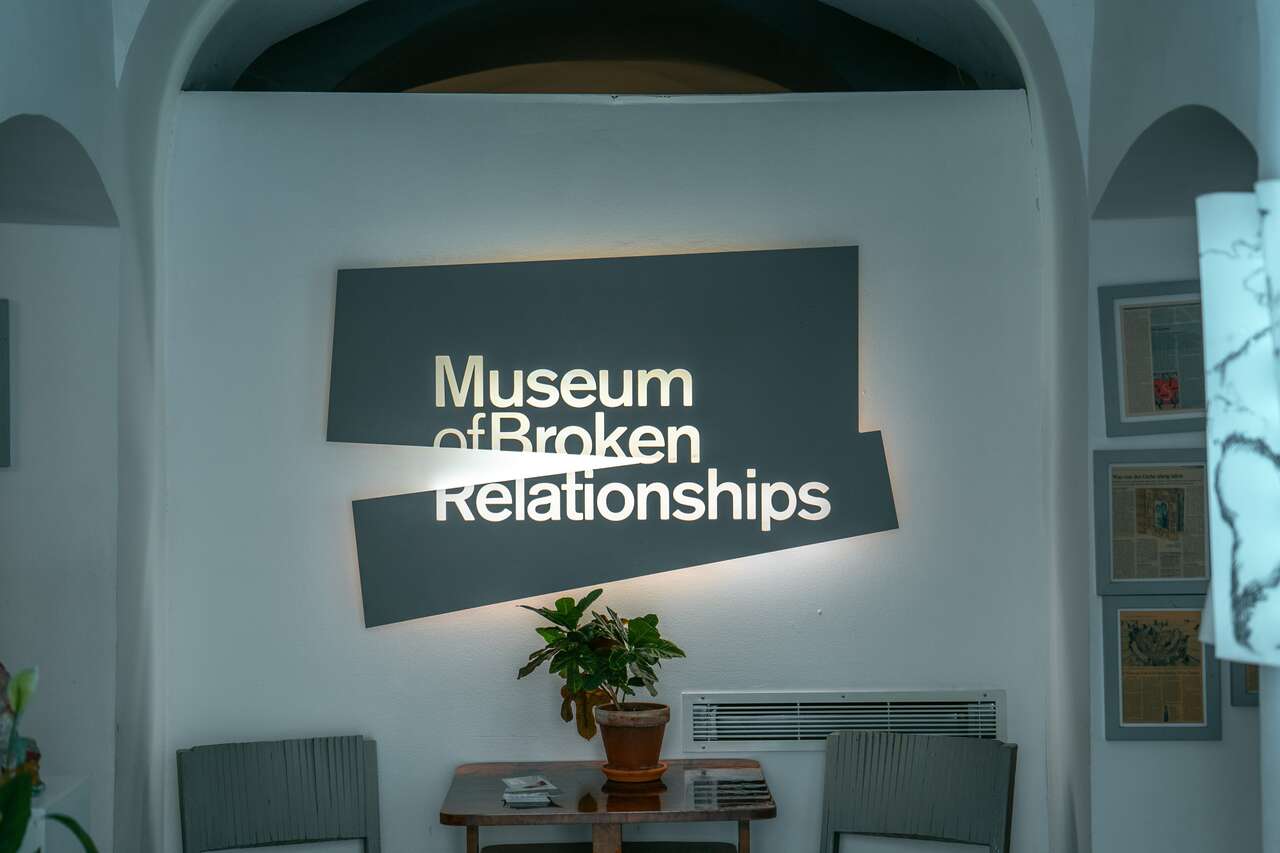
Located at Sv. Ćirila i Metoda 2, this institution displays personal objects submitted by individuals worldwide accompanied by stories of lost connections. It offers an unconventional perspective on human experience.
Arrive between 09:00 and 11:00 to avoid afternoon crowds.
The Museum of Broken Relationships operates on a consistent schedule throughout the week. Visitors can access the facility daily to view the collection.
Zagreb features a compact city center where historical landmarks and cultural institutions are situated within short walking distances of one another. Planning a route that connects these sites allows visitors to experience the diverse layers of the city efficiently.
3 min walk
This iconic church with its colorful tiled roof provides a clear connection to the medieval history of the Upper Town. It serves as a central landmark that grounds your walk through the historic district.
5 min walk
Located near the funicular, this 13th-century tower offers views over the city rooftops. It is a logical stop to include before or after visiting museum sites in the area.
4 min walk
As one of the few remaining entrances to the old city, this historic gate offers a quiet transition between the Upper and Lower Town. Its location bridges the gap between various popular attractions on foot.
Everything you need to know about is zagreb worth visiting
Many travelers find that the capital of Croatia offers a unique blend of Austro-Hungarian architecture and vibrant street life that makes it a worthwhile stop. If you are wondering if Zagreb is worth visiting for a weekend, the compact center allows for easy exploration of Upper Town landmarks and historic squares.
Participating in a culinary excursion is a great way to discover regional delicacies like štrukli and local coffee culture while learning about the city's history. These tours often provide a deeper understanding of local customs than walking around alone, proving why a Zagreb food tour is a popular choice for visitors.
Standard adult admission for the Museum of Broken Relationships is 9 EUR. This unique site is located at Sv. Ćirila i Metoda 2 and is open daily from 09:00 to 22:00.
Yes, the city is quite family-friendly with numerous parks and accessible pedestrian zones that make navigating with kids manageable. If you are still debating if Zagreb is worth visiting with your family, the variety of interactive museums and outdoor spaces usually provides plenty of entertainment.
To ensure a pleasant visit, the best arrival window is 09:00–11:00. Arriving early helps avoid larger crowds that gather during the afternoon hours.
For those asking if Zagreb is worth visiting during specific times, the summer months offer a lively atmosphere with various street festivals and outdoor events. Planning your trip around these cultural occurrences can provide a more immersive experience in the city.
Zagreb features a reliable network of trams and funiculars that connect the lower and upper parts of the city efficiently. Using public transit is often more convenient than navigating the narrow streets by car, especially when visiting major attractions.