English| EUR
Suggested for you
More currencies
Choose a language
Zagreb sits near the middle of Europe's cost spectrum — more affordable than Vienna or Munich, pricier than Belgrade or Sofia. The city rewards careful planning: a few smart choices around timing and neighborhoods can cut daily spending by a third without sacrificing the experience.
Quick answer
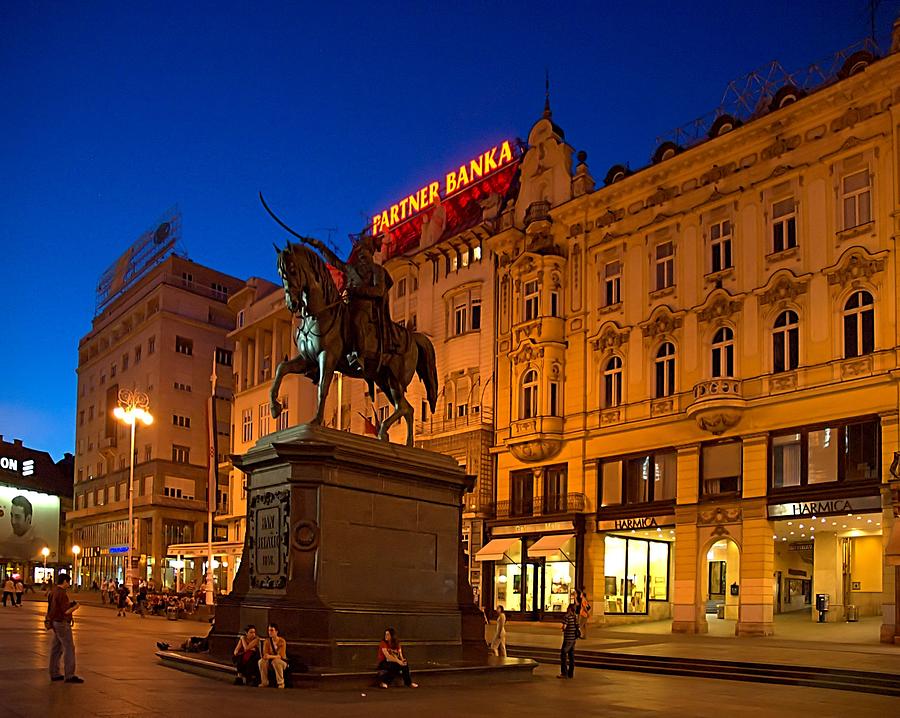
Zagreb is moderately priced by European standards. A mid-range traveler typically spends 70–90 EUR per day, covering a private room in a guesthouse, sit-down meals at local restaurants, public transport, and museum entry. Budget-conscious visitors who favor hostels, bakery lunches, and free walking routes can manage on 40–50 EUR daily, while those seeking boutique hotels and fine dining should plan for 130–160 EUR.
Zagreb's cost profile reflects its position as a capital city in a country still calibrating to Western European tourism demand. The kuna-to-euro transition in 2023 brought price adjustments across hospitality and retail, but the city remains meaningfully cheaper than its Alpine and Mediterranean neighbors. Accommodation forms the largest variable. A bed in a central hostel runs 18–28 EUR in high season; a double room in a three-star hotel near Trg bana Josipa Jelačića averages 65–85 EUR; boutique properties in the Upper Town command 110–150 EUR. Booking two months ahead typically saves 15–20 percent. The neighborhoods of Trešnjevka and Dubrava offer lower nightly rates with tram access under fifteen minutes, a trade many repeat visitors accept. Restaurant prices span a wide band. A portion of štrukli or pašticada at a konoba in Dolac or along Tkalčićeva costs 8–12 EUR; the same dish at a white-tablecloth establishment near Kaptol runs 16–22 EUR. Bakeries sell burek and pogača for under 3 EUR, and grocery staples cost 20–30 percent less than in Germany or Austria. Wine by the glass averages 3–5 EUR, locally roasted coffee 1.50–2.50 EUR. Public transport remains one of the city's budget anchors. A single tram or bus ride costs 0.53 EUR when bought via app, 0.66 EUR at a kiosk. Day passes run 2.65 EUR. Most visitor routes lie within walking distance of the main square, reducing reliance on paid transit. Museum entry fees range from free for the Strossmayer Promenade to 8 EUR for the Museum of Broken Relationships; churches and parks charge nothing. Seasonal swings affect lodging more than meals. July and August bring a 25–35 percent premium on rooms; late autumn and early spring see rates drop and restaurant tables open without a wait. The question of whether Zagreb proves expensive to visit depends less on the city's baseline prices than on the traveler's willingness to shift lodging by a few streets, eat lunch where locals do, and walk the grid that connects every major sight.
“The city rewards careful planning: a few smart choices around timing and neighborhoods can cut daily spending by a third without sacrificing the experience.”
Zagreb is generally considered affordable compared to many other European capitals. A daily budget varies depending on your preferences for dining and accommodation.
How to spend less
Verdict: A budget traveler can expect to spend around 40 EUR to 55 EUR per day, while a more comfortable experience ranges from 80 EUR to 120 EUR per day.
Visitors exploring Zagreb will find that accessibility is a core feature of the city, as its streets and public spaces do not require tickets for entry. Admission fees are relevant only when choosing to enter specific museums, galleries, or cultural institutions.
Verdict: A typical adult pays 0 EUR to access the city itself, with total costs depending solely on the specific indoor attractions selected.
The best arrival window is 09:00–11:00, providing an opportunity to enjoy cafes and markets before the midday crowds. Planning visits during shoulder seasons helps balance demand and climate for a more efficient experience.
—
This window offers the most efficient access to local markets and cafes. Arrivals between 09:00 and 11:00 avoid peak congestion.
Mild with temperatures 12°C–20°C
Spring weather supports outdoor exploration while avoiding the peak summer rush. These months provide comfortable conditions for walking tours.
Cooler with temperatures 10°C–18°C
Autumn months see reduced tourist numbers compared to summer. Stable weather allows for consistent access to city landmarks.
Verdict: The optimal time to visit is Tuesday to Thursday between 09:00 and 11:00 during April, May, September, or October.
Zagreb is a walkable city with a compact center, making it easy to navigate without relying on expensive private transport. Most visitors find that utilizing the well-connected tram network and walking are the most efficient ways to explore.
Lines 6 or 11 to Trg bana Josipa Jelačića
Walking through the Lower and Upper Town
Airport shuttle bus to Main Bus Terminal (Autobusni kolodvor)
Licensed city taxi to city center
To make the most of your day, use the best arrival window of 09:00–11:00 to enjoy cafes and markets before the midday crowds arrive. Public spaces and streets in Zagreb have no entrance fee.
Dining in Zagreb offers a wide spectrum of costs, ranging from affordable local markets to refined sit-down establishments. Balancing meals between popular city center spots and neighborhood venues helps manage travel expenditures.
market
This central open-air market is located near the main square and offers fresh produce and local snacks at low prices.
street
Located in the heart of the city, this shop specializes in traditional Croatian snacks and sandwiches for a quick meal.
restaurant
Situated near the city center, this established venue provides a traditional dining experience with a focus on regional meat and fish dishes.
restaurant
Found in a side street near the Cathedral, this venue focuses on traditional štrukli at accessible price points.
Everything you need to know about is zagreb expensive to visit
Travelers often find that Zagreb offers good value compared to other European capitals. While costs vary based on personal preferences, a well-planned trip allows you to enjoy the city without overspending. To determine if zagreb is expensive to visit, consider your choices regarding accommodation and daily activities.
Participating in a guided culinary walk is a great way to experience local gastronomy at a fixed price. These experiences help you manage your funds effectively while sampling diverse regional flavors. Using these tours is a smart strategy when evaluating if zagreb is expensive to visit.
Public spaces, streets, and squares remain accessible at no cost, which helps keep your overall expenditures low. Visitors frequently overlook that many cultural landmarks have no entrance fee. You can easily balance your itinerary by mixing paid attractions with these complimentary sights to see if zagreb is expensive to visit.
Researching local market prices and public transportation fares in advance provides a clear picture of your potential spending. Comparing current currency exchange rates helps refine your budget. This preparation is essential when deciding if zagreb is expensive to visit for your specific travel style.
Entrance fees are generally minimal or non-existent for many public areas, which lowers the threshold for a budget-friendly vacation. Focusing on walking tours and visiting open-air markets maximizes the value of your time. Understanding the local pricing structure is the most accurate way to analyze if zagreb is expensive to visit.
The city encourages exploration of its historic architecture and public squares without requiring ticket purchases. Walking through neighborhoods like the Upper Town provides a rich cultural experience at zero cost. These free activities ensure that every visitor can enjoy the city regardless of their budget limitations.